Soyer: "The real challenge is not just being seen, it’s staying unique"

Soyer is a US-based DJ and producer carving out a sound that sits between progressive house, melodic house, and afro house, without fully belonging to any of them. His music leans into mood and tension—built on evolving melodies, steady grooves, and layered atmospheres that unfold over time rather than hitting all at once. His approach comes from a long stretch of studio work focused on trial and error—testing ideas, scrapping them, and slowly shaping a more personal direction. Heading into 2026, he’s moving with a clear vision, with new originals, edits, and a series of collaborations already lined up, including releases signed to major labels throughout the year.
How did your musical project Soyer come to life, and what have been the main influences that shaped your sound?
Soyer came from a place of wanting to create something that feels real, not just something that works. I was always drawn to the emotional side of electronic music, especially the European scene, where it’s not just about energy, but about storytelling and atmosphere.
Over time, I started blending those influences with my own world, original vocals, melodies, and a more personal touch. It became less about fitting into a genre and more about building a sound people can feel, not just hear.
What message do you want to convey through your songs, and how do you manage to stay authentic in such a competitive music scene?
For me, it’s all about emotion and connection. I want people to feel something real when they listen, whether it’s nostalgia, tension, or release.
Staying authentic today is probably the hardest part, because there’s so much noise and pressure to follow trends. I try to stay locked into my own lane and create from a real place. If I feel something while making it, there’s a good chance someone else will feel it too.
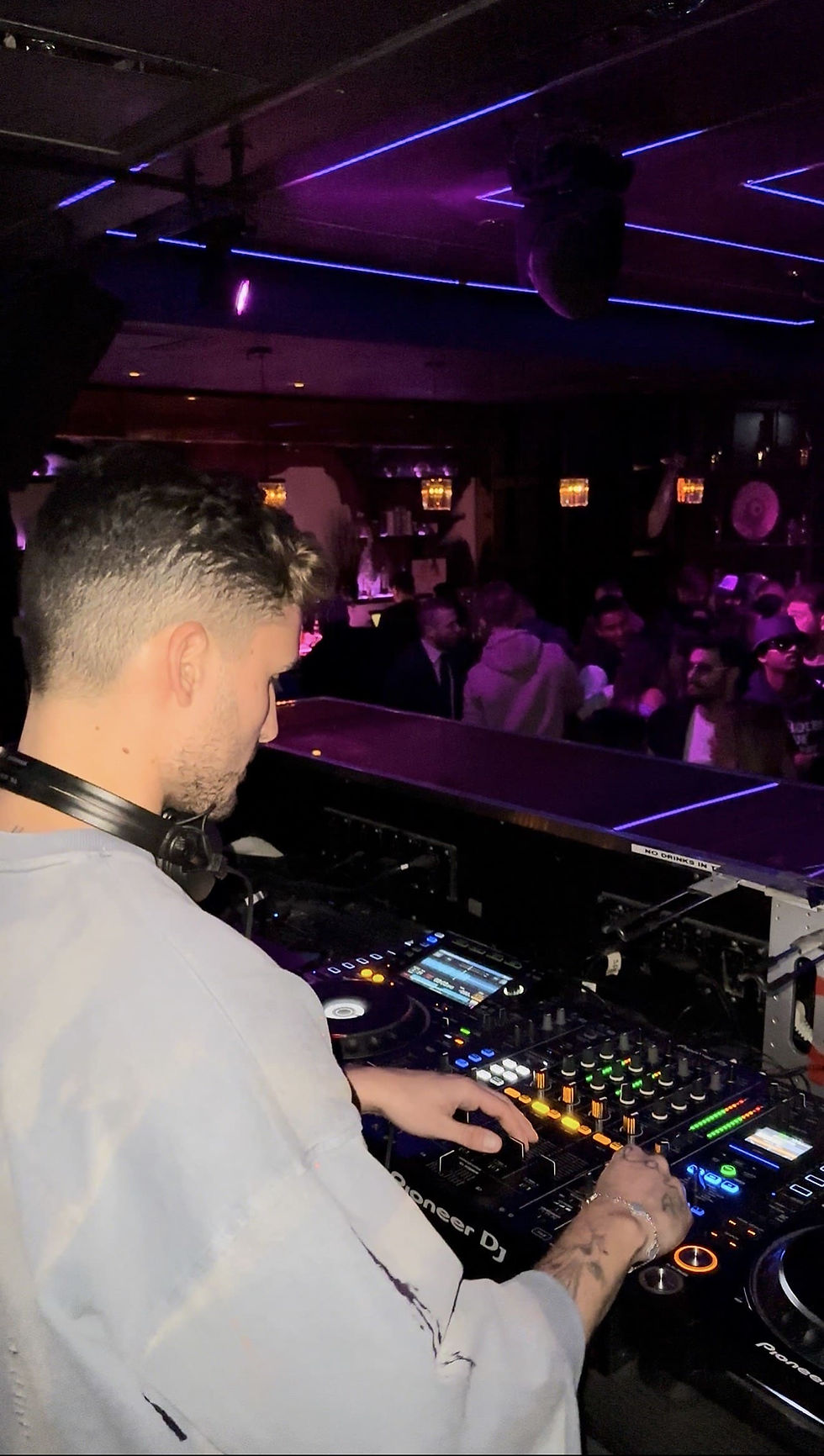
In your creative process, do you prefer to start with lyrics, a melody, or an emotion? Tell us how a song develops from the initial idea to the final version.
It usually starts with an idea.
That idea can come from anywhere, sometimes it’s inspired by music I hear, even from a completely different genre. Sometimes it’s influenced by a period I’m going through, a message I want to express, or a personal experience I feel I need to process. For me, being in the studio is a way to understand and make peace with those emotions.
From there, I go into the studio and record a very rough sketch, something minimal, just to capture the core feeling. Then I start building the track around it and, if needed, I’ll send it to a vocalist to bring it to life.
The track really evolves once the vocal comes in, that’s when it starts becoming something real.
What have been the biggest challenges you’ve faced so far in your musical journey, and how did you overcome them?
One of the biggest challenges is patience, especially when you know your potential but things don’t move as fast as you expect.
I’ve come to understand that if you want extraordinary results, you have to do extraordinary things. That means working hard and staying consistent, even when you don’t immediately see the outcome.
You can’t build a building and reach the 100th floor without going through all the floors before it. That’s the process, and there are no shortcuts. Once you accept that, everything becomes clearer.
In an era where music is often consumed quickly, how do you maintain depth and artistic quality in your productions?
I don’t create for quick consumption.
I create music that can grow on you, something you feel differently the second or third time you hear it. That’s where depth comes from.
Even if everything today moves fast, I believe people still connect to music that has intention behind it.
How important is the relationship with your audience, and how do you like to engage with those who listen to your music?
It’s everything.
At the end of the day, music is about connection. I try to keep things real, whether it’s through social media or live shows. No filters, no pretending.
I want people to feel like they’re part of the journey, not just watching it from the outside.
Are there any themes or personal experiences you still feel the need to explore in your upcoming songs?
Definitely.
There’s still a lot I want to express, deeper emotions, more personal stories. I feel like I’m only scratching the surface of that side of my music.
The next phase is going to be more honest and more exposed.
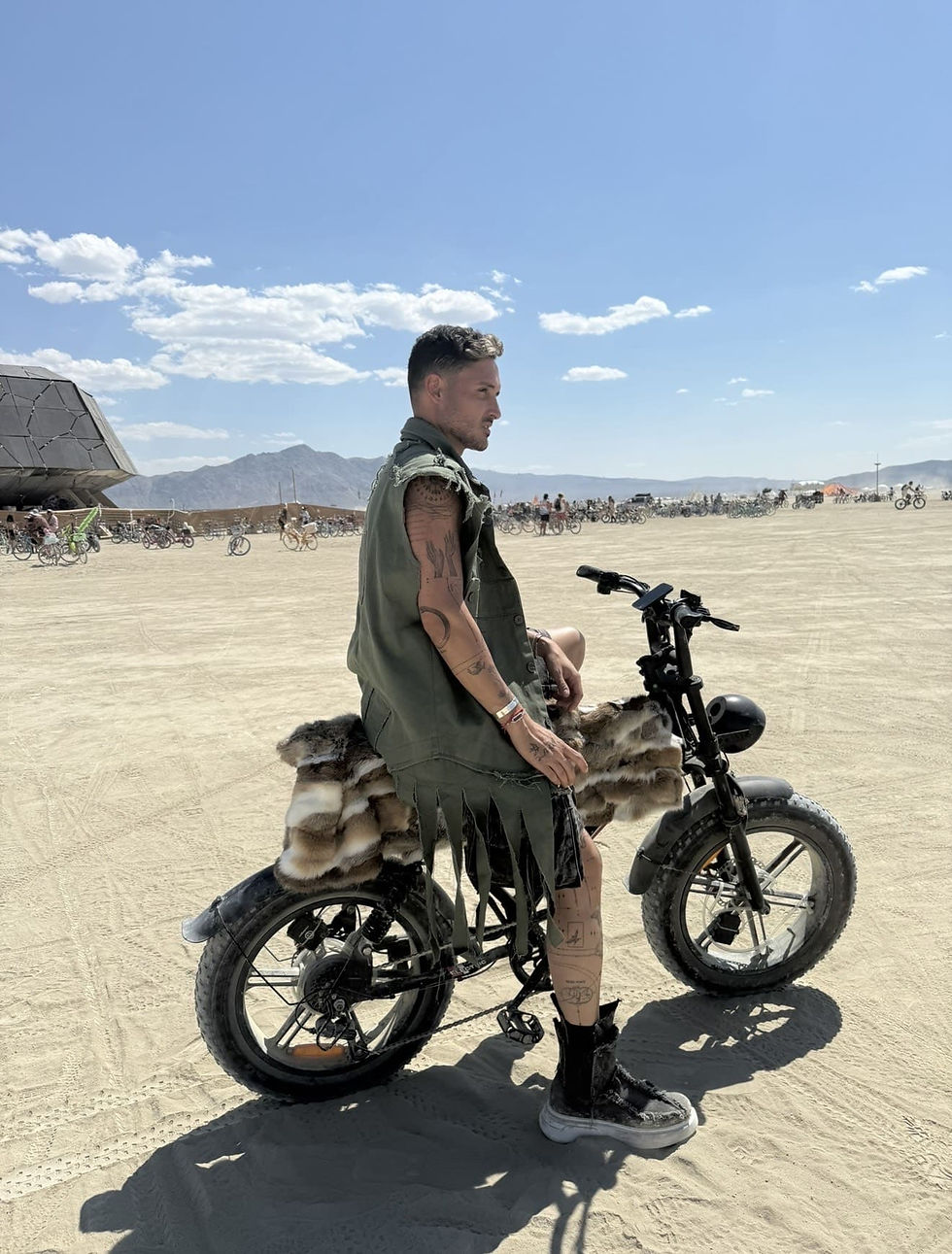
How do you envision the evolution of your musical style in the next few years? Are there genres or collaborations you’d like to experiment with?
I see it becoming more refined, but also more fearless.
At the same time, I don’t believe in forcing direction. I follow what feels right, what moves me, and what I feel can move others. That’s always been my compass.
The goal is that when someone hears one of my tracks, they immediately know it’s me, whether it’s a deeper, emotional track or something more energetic. No matter the style, I want to leave a clear musical signature.
I’m definitely open to exploring new sounds and pushing boundaries, as long as it stays true to that identity.
The digital world has revolutionized the way music is made and shared. What opportunities and risks do you see in this transformation for an emerging artist like yourself?
The opportunity is access, today anyone can create and reach people directly.
The risk is that it becomes oversaturated, and it’s easy to lose your identity trying to keep up with everything.
So the real challenge is not just being seen, it’s staying unique.
If you had to give advice to a young artist starting out in the independent music scene, what would be the most important tip you’d share?
Don’t rush.
Focus on building your sound, not chasing trends. Take the time to really understand what you want to say through your music.
Because in the long run, authenticity is what lasts, everything else fades.
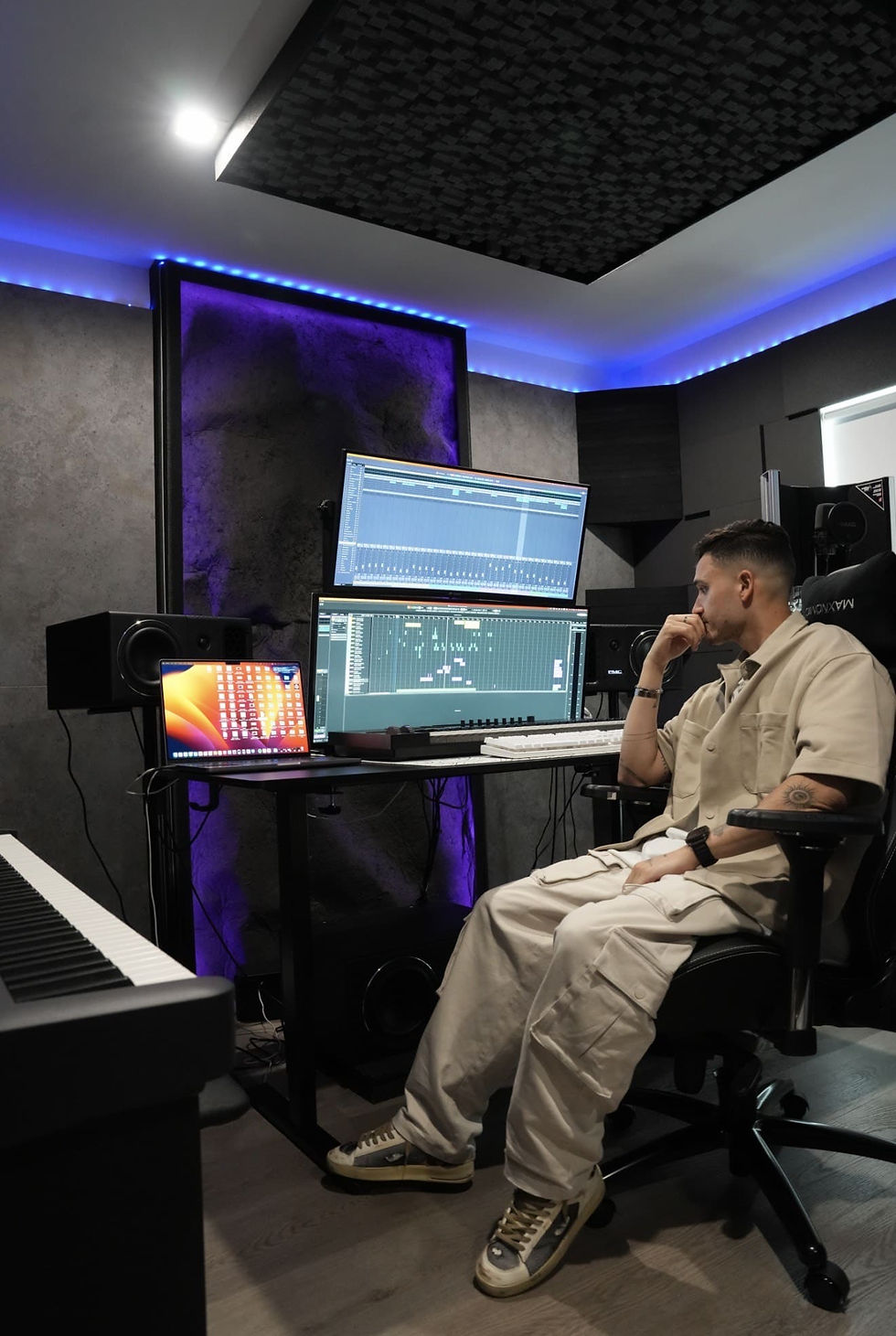
Follow SOYER
Instagram / Soundcloud / YouTube / Spotify